Trump raises U.S. tariffs on South Korean imports to 25%
Washington, January 27 (Hibya) – U.S. President Donald Trump announced he will raise tariffs on South Korean imports to 25%, accusing Seoul of “not complying” with the trade deal reached last year.
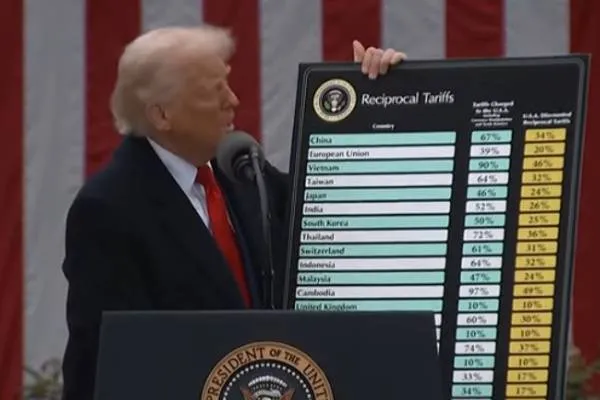
In a social media post, Trump said he would increase the duties applied to South Korea from 15% on a range of products, including automobiles, timber, pharmaceuticals and “all other reciprocal tariffs.”
Trump said South Korean lawmakers had been slow to approve the agreement, while “we, in line with the agreement, lowered our tariffs quickly.”
South Korea said it had not received an official notification about the decision to raise tariffs on some of its goods and requested urgent talks with Washington on the matter.
South Korea also said that its Industry Minister Kim Jung-kwan, currently in Canada, will visit Washington as soon as possible to meet U.S. Commerce Secretary Howard Lutnick.
South Korea’s benchmark Kospi index fell on Tuesday morning but later rose by about 1.8% as shares of major exporters recovered.
Seoul and Washington reached an agreement last October; it included South Korea’s pledge to invest $350 billion in the United States, with part of that investment going to shipbuilding.
In his second term in the White House, Trump has frequently used tariffs as leverage to pursue foreign policy.
On Saturday, he threatened Canada with a 100% tariff if it struck a trade deal with China.
On Monday, Chinese officials said the “strategic partnership” agreement with Canada was not intended to undermine other countries.
Canadian Prime Minister Mark Carney said his country was not pursuing a free trade agreement with China and had “never” considered doing so.
British News Agency
 Facebook
 Tweeter
 Whatsapp