Lion DNA helped secure the first-ever conviction of poachers
Stockholm, February 20 (Hibya) - According to the BBC, for the first time in the world, poachers have been successfully prosecuted using lion DNA.
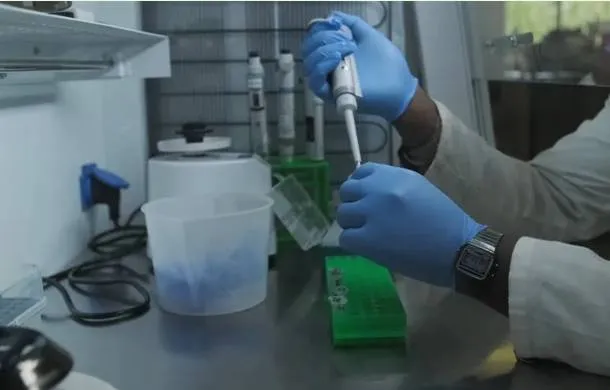
Wildlife crime experts have now explained how they were able to identify the animal by matching body parts found in the suspect’s village with a profile in Zimbabwe’s lion database.
Previously, a blood sample had been taken from a male lion that was being tracked by authorities in Hwange National Park using a radio-collared transmitter.
Two poachers were convicted and sentenced to prison in connection with the 2024 incident; it is believed to be the first case of its kind.
According to a statement by Traffic, a non-governmental organization (NGO) combating illegal wildlife trade, in May 2024 officials in Hwange National Park became suspicious after the radio collar worn by a male lion stopped transmitting.
Investigators and police followed the lion’s last known location and found a snare with lion skin attached to it.
After collecting forensic evidence, they questioned two men in a nearby village and discovered three sacks of meat, 16 lion claws and four teeth. These body parts were later tested against the database and all their DNA matched the profile of the missing lion.
However, in Zimbabwe, possessing lion parts does not necessarily constitute a crime.
Such possession can be explained as old traditional ornaments or remains from an animal that died of natural causes.
This has previously hindered prosecutions.
But a breakthrough in DNA profiling changed that.
The laboratory created a DNA profile from the recovered body parts and compared it with the profile previously generated from the blood sample of the radio-collared lion.
The two profiles matched, enabling scientists to identify the missing animal.
British News Agency
 Facebook
 Tweeter
 Whatsapp